What Is a Freight Elevator? How They Work and How to Book One for a Delivery in NYC
Freight elevators explained: what they are, how they differ from passenger and service elevators, the loading classes, and how to reserve one for a delivery in a New York City building.
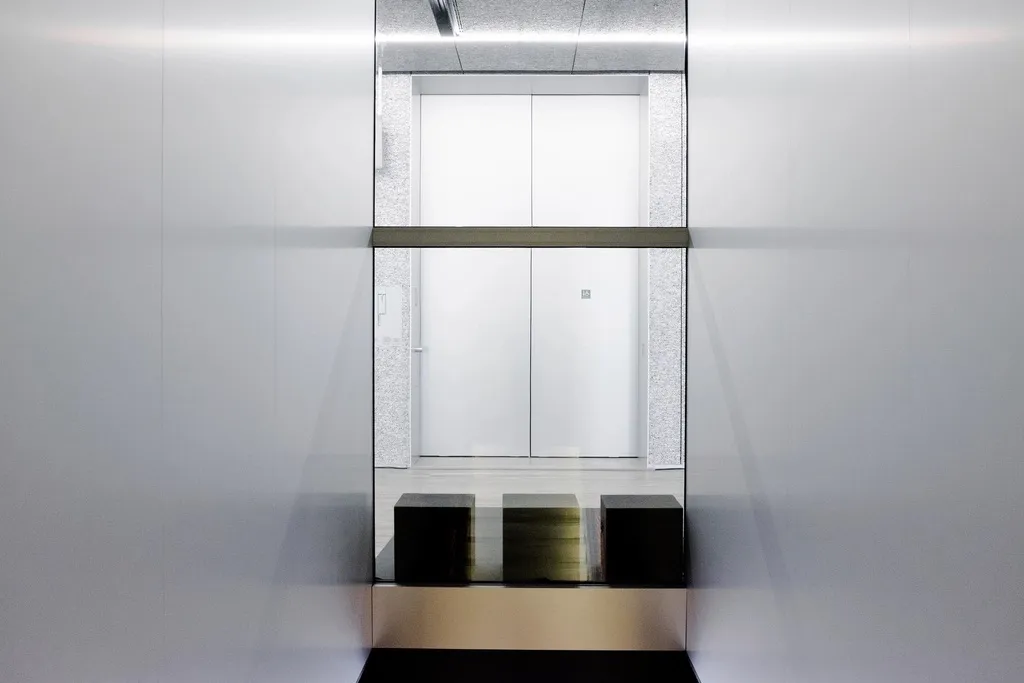
A freight elevator is an elevator built to carry goods instead of passengers. It has a stronger platform, a tougher interior, and wider doors than a passenger elevator, and it’s rated by the kind of load it’s designed to take, not by how many people fit inside.
In New York City, the freight elevator is also a scheduling problem. Most large office and residential buildings send every delivery bigger than an envelope through it, during set hours, often by reservation. Knowing how that works is what keeps a catering order or a furniture delivery from being turned away at the loading dock.
Key takeaways
- A freight elevator is designed for goods: heavier loads, rugged walls and floors, and wide doors that often open vertically.
- Freight elevators are grouped into loading classes (A, B, C1, C2, C3) based on how they’re loaded.
- A service elevator is usually a passenger-type elevator set aside for staff, deliveries, and moves.
- NYC buildings commonly require a reservation, a certificate of insurance, and delivery within set hours to use one.
What Is a Freight Elevator?
A freight elevator is the original form of elevator, meant to carry materials rather than people, as elevator manufacturer TK Elevator describes it. Everything about the design follows from that purpose:
- Higher capacity. TK Elevator notes that even the smallest freight elevators can hold about 4,000 pounds.
- Durable interiors. Steel walls, reinforced floors, and bumper rails take the knocks from hand trucks, pallets, and carts.
- Wide door openings. Many freight elevators use vertical doors that part in the middle and open up and down, which leaves the full width of the car clear.
- Lower speeds. Freight elevators trade speed for strength and don’t travel as fast as passenger cars.
Freight elevators are far rarer than passenger elevators. New York City Department of Buildings records showed 3,813 freight elevators and 78,681 passenger elevators as of June 18, 2025, in figures presented to the New York State Elevator Safety and Standards Advisory Board (NYS Department of Labor). The counts include some dismantled devices, but the ratio holds: about one freight elevator for every 21 passenger elevators. That scarcity is why buildings ration access so carefully.
Freight Elevator vs. Passenger Elevator vs. Service Elevator
These three terms get used loosely, and the difference affects what you can bring up.
| Passenger elevator | Service elevator | Freight elevator | |
|---|---|---|---|
| Built for | People | People, plus carts, deliveries, and moves | Goods |
| Interior | Finished cab | Plain cab, often padded for moves | Steel walls, reinforced floor |
| Doors | Side-sliding | Side-sliding, often wider | Wide, often vertical bi-parting |
| Typical buildings | Everywhere | Residential towers, hotels, hospitals | Office towers, lofts, warehouses, retail |
| Who rides | Anyone | Staff, movers, delivery teams | Goods, with an operator or handler |
Many apartment buildings that say “use the freight elevator” actually have a service elevator: a passenger-type car at the back of the building, fitted with wall pads when a move or delivery is booked. For planning purposes the process is the same. What changes is the size and weight it can handle.
Freight Elevator Loading Classes
Freight elevators are classified by how they’re loaded. The classes come from the ASME A17.1 elevator safety code, the standard used across North America:
- Class A: General freight loading. Goods are loaded by hand or hand truck, and no single piece weighs more than one-quarter of the elevator’s rated capacity. This is the class most deliveries meet.
- Class B: Motor vehicle loading. The elevator carries cars or trucks between floors, as in a parking garage.
- Class C1: Industrial truck loading. A forklift or pallet truck loads the elevator and rides with the load.
- Class C2: Industrial truck loading. A forklift loads and unloads the elevator but doesn’t ride with it. The platform is designed to handle extra weight during loading.
- Class C3: Other heavy concentrated loading. For single heavy items that don’t fit the other classes.
For a typical delivery, the practical question is simpler: what is the rated capacity, and what are the inside dimensions and the door opening? A Class A elevator with a 4,000-pound rating still limits any one piece to about 1,000 pounds.
How Freight Elevators Work in NYC Buildings
In a New York building, the freight elevator is part of a system that also includes the loading dock, building security, and the management office. Each building sets its own rules, but most follow a similar pattern:
- Set hours. Freight service usually runs during posted weekday hours. Deliveries outside those hours may need to be arranged in advance, sometimes for a fee.
- Reservations. Large or lengthy deliveries often need a booked time slot, especially in buildings with a single freight car.
- An operator. Some buildings staff the freight elevator with an operator. Others have building staff unlock it for each delivery.
- Insurance. Building management commonly asks the delivery company for a certificate of insurance before anyone uses the freight elevator.
- A separate entrance. The freight elevator is normally reached through a loading dock or service entrance, often on a side street, not through the lobby.
- Check-in. Drivers may need to show ID and sign in with dock security before going up.
Small items are the exception. An envelope or a small parcel carried by a messenger usually goes through the lobby or a messenger center and never touches the freight elevator.
How to Book a Freight Elevator for a Delivery
If you’re expecting a delivery that needs the freight elevator, you (the tenant or resident) are usually the one who has to arrange it. The delivery company can’t book it for you in most buildings.
- Call the management office or super early. Ask whether the delivery needs a freight reservation and how much notice they require.
- Ask for the rules in writing. You need the freight hours, the loading dock address, any insurance requirements, and the name of the contact at the dock.
- Get the measurements. Ask for the door opening, the interior dimensions, and the weight capacity. Compare them against your largest and heaviest item.
- Send the insurance request to your delivery provider. If the building wants a COI, forward its requirements as soon as you have them.
- Book the window and share it. Give your delivery provider the reserved time, the dock entrance, and the contact name.
- Plan the curb too. The truck has to stand somewhere legal while it unloads. Our guide to no standing vs. no parking rules explains what the signs outside allow.
Tips for a Smooth Freight Elevator Delivery
A few habits prevent most failed deliveries:
- Arrive at the start of the window, not the end. A late arrival can lose the slot to the next booking.
- Measure diagonal clearance for long items. A sofa or conference table that’s longer than the car may still fit on the diagonal, or it may not.
- Tell the delivery team about the last stretch. The route from the freight elevator to your door may include tight corners, narrow hallways, or a second set of doors.
- Protect the building. Ask whether floor protection or elevator pads are required. Damage to common areas is exactly what the building’s insurance rules exist for.
- Have someone meet the delivery. A person who can sign for the delivery and direct placement keeps the elevator time short.
Deliveries that include carrying items inside, placing them, and setting them up are white glove deliveries, and they depend on freight access more than any other kind. For recurring orders, such as wholesale deliveries to a restaurant or shop inside a larger building, it’s worth asking management about a standing arrangement so every drop doesn’t need a new booking.
Frequently Asked Questions
What is the difference between a freight elevator and a service elevator?
A freight elevator is engineered and rated for carrying goods. A service elevator is typically a passenger-type elevator reserved for staff, deliveries, and moves. Buildings often use the two names interchangeably, so ask for the capacity and dimensions.
Can people ride in a freight elevator?
Freight elevators are designed for goods, and the general public isn’t meant to use them. The people handling the load, or a building operator, typically ride with it. Follow the building’s rules and any signs posted in the car.
How much weight can a freight elevator hold?
It varies by elevator. Small freight elevators are rated around 4,000 pounds, and industrial ones can carry far more. The rated capacity is posted inside the car, and in a Class A elevator no single piece should exceed one-quarter of it.
Do I need to reserve the freight elevator for a delivery in NYC?
In many buildings, yes, at least for furniture, equipment, large catering orders, and moves. Ask your building’s management office what needs a reservation and how far ahead to book.
Why does my building require a certificate of insurance to use the freight elevator?
Because moving heavy items through shared areas can damage the elevator, walls, and floors, or injure someone. A certificate of insurance shows the delivery company carries coverage for that.
The Bottom Line
A freight elevator is the building’s route for anything too big, heavy, or awkward for the lobby. In New York City, using one usually takes a reservation, the right paperwork, and a delivery team that shows up inside the window. Sort those out a few days ahead and the delivery itself becomes the easy part. When you’re ready to plan the trip, check what your delivery would cost.